
Prices and inflation
Why your groceries cost so much more and why prices won't fall back
"Inflation is coming down." So why does the same trolley still cost a small fortune?
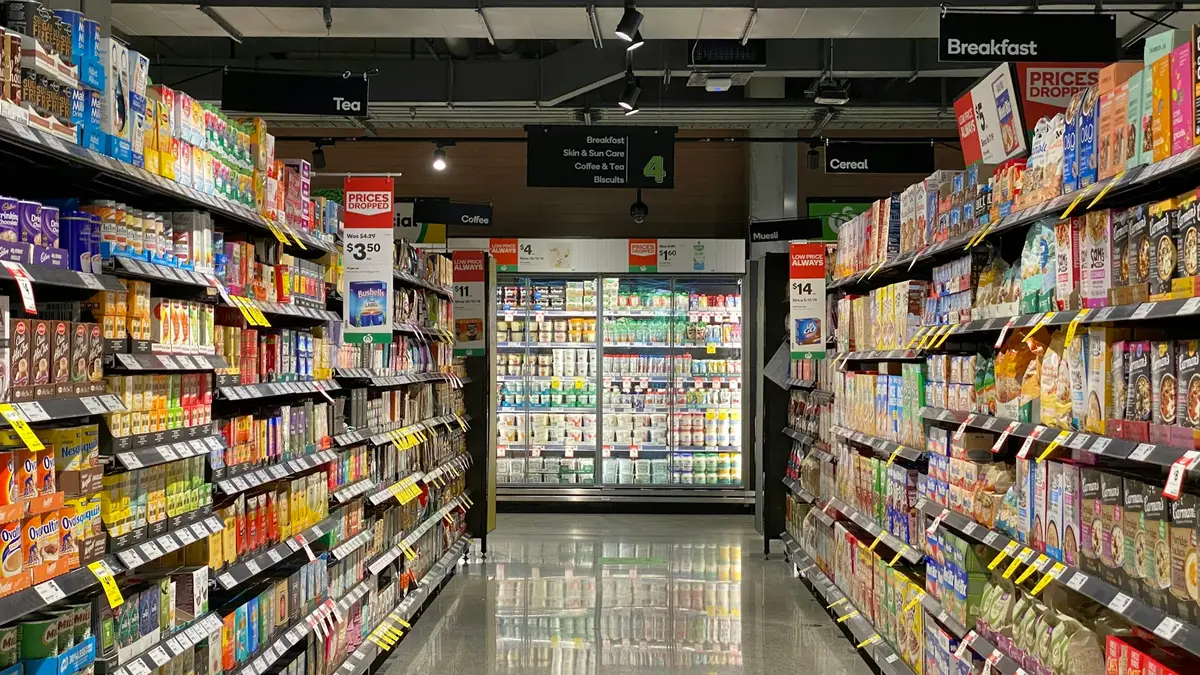
In one line: slower inflation means prices rise more slowly, not that they go back down. The higher price is the new normal, so the savings now come from where and when you buy.
The headline that confuses everyone
You hear it on the news: inflation is easing. In April 2026 the Australian Bureau of Statistics reported that the annual rise in food prices was the smallest since December 2021.
Then you get to the checkout and nothing feels cheaper. You're not imagining it.
Inflation measures how fast prices are rising, not how high they are. When food inflation drops from, say, 8% to 3%, prices are still going up, just more slowly, and from a much higher starting point.
Inflation slows. Prices don't come back.
Why prices rarely fall back
Most of what goes into a grocery price is sticky. Once these costs go up, they tend to stay up:
- Wages for farm workers, drivers, warehouse and store staff.
- Energy for refrigeration, processing and lighting.
- Fuel and freight to move food across a very big country. (More on that in how fuel prices reach your trolley.)
- Packaging, rent and insurance along the supply chain.
Fresh food is the exception: fruit and veg prices swing with weather, floods and seasons. That's why one week a fruit is cheap and the next it isn't.
Two big chains, limited pressure
Australia's grocery market is unusually concentrated. The ACCC's 2025 supermarkets inquiry estimated national supermarket grocery sales at:
Share of national supermarket grocery sales
The ACCC found Coles and Woolworths have limited incentive to compete hard with each other on price, and that the major supermarkets' average product margins rose over five years. A new law banning excessive pricing by the biggest supermarkets started on 1 July 2026. Read the full story in are Coles and Woolworths discounts real?
So where can you actually save?
You can't change the price of milk. You can change three things:
Here's a real example. In late November 2026 we priced the same 12 items at both stores in the RanOutOf app. Coles came to $74.35, Woolworths $100.50. That's $26.15 (26%) on one shop, and Woolworths still won two of the items. Full breakdown in Coles vs Woolworths: same list, two prices.
How RanOutOf helps
Build your list once. RanOutOf shows the Coles and Woolworths price next to every item and adds them up, so you see which store is cheaper for your list before you leave home. It also reminds you before staples run out, so you're not paying top-up prices at the corner shop.
Compare my list, free →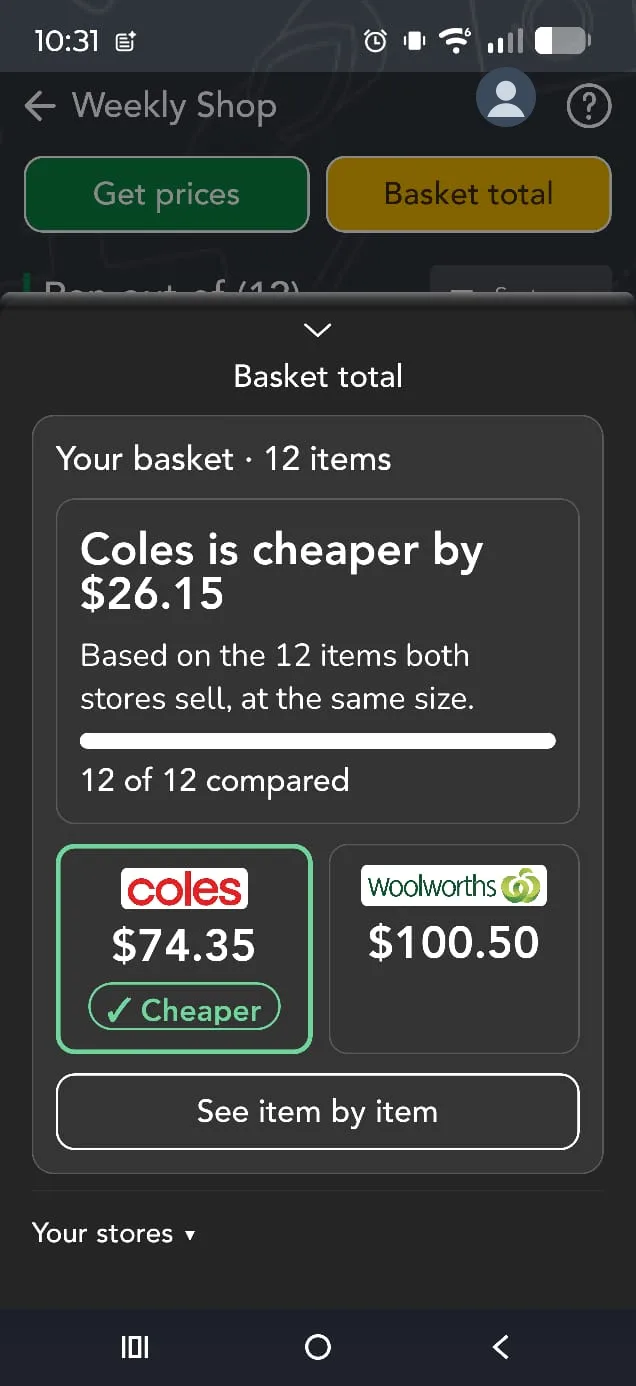
Questions
Will grocery prices go back down in Australia?
Generally, no. When inflation slows, prices rise more slowly; they rarely fall back to where they were. Individual items do drop on special or in season, which is why comparing stores item by item still saves money.
Why are groceries so expensive in Australia?
Higher costs along the supply chain (fuel, freight, energy, wages, packaging), weather and supply shocks for fresh food, and a concentrated market: the ACCC found Woolworths and Coles hold about 38% and 29% of supermarket grocery sales and face limited pressure to compete hard on price.
What is the easiest way to spend less on groceries?
Shop from a list, compare your whole basket between Coles and Woolworths before you go, buy staples when they're on special, and use up what you buy so less goes in the bin.
Sources
Free · Sign up in seconds · Works offline
Your next shop, sorted and cheaper.
Download RanOutOf, add what you need, and see which store wins before you leave home.