
Prices and inflation
Fuel is the hidden ingredient in every grocery price
You fill up the car, wince, then wince again at the supermarket. That's not a coincidence.
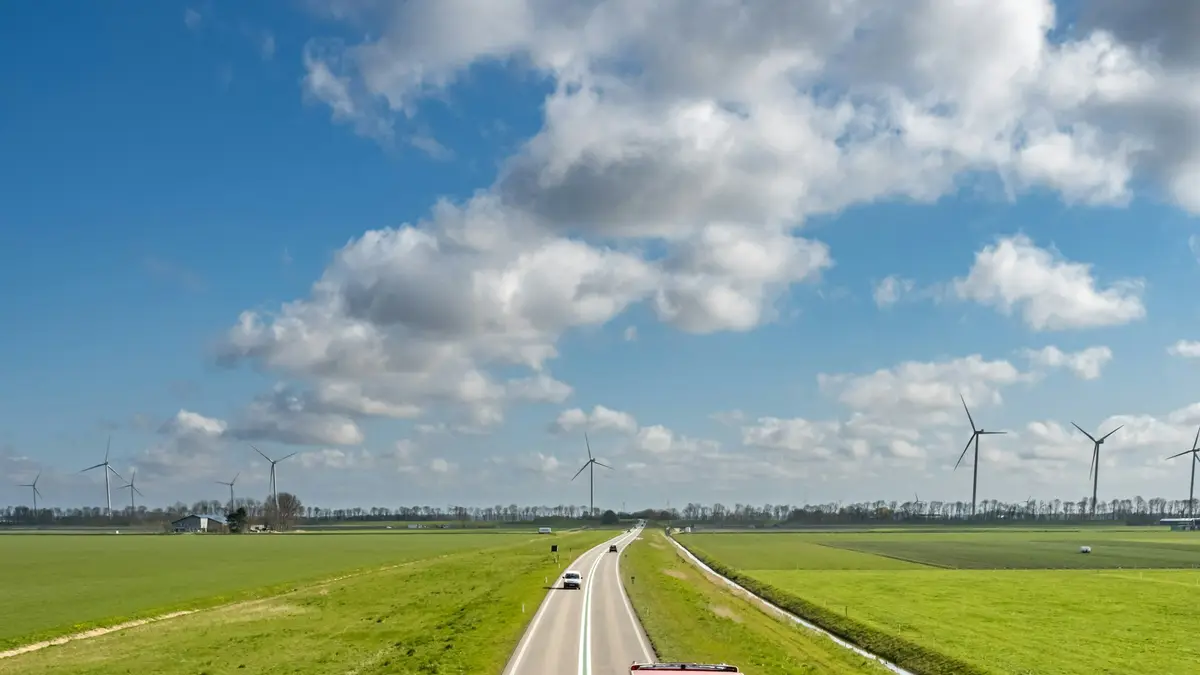
In one line: almost everything in your trolley has been on a truck, often more than once. When diesel goes up, every kilometre costs more, and that cost lands on the shelf price.
A tomato's road trip
Australia is huge, and its food travels. A punnet of strawberries or a bag of onions might pass through four or five legs before it reaches you, and fuel is burned at every one:
Where fuel gets added to the price
- Farmtractors, pumps
- Truckto market
- Processpack, chill
- Warehousecold store
- Storeshelf price
Every ⛽ is a cost that rises when diesel does, and it all ends up in one shelf price.
Which foods feel it most
Not every item is equally exposed. During the 2026 fuel squeeze, NSW Farmers said transport can make up to a third of total costs for produce like onions, strawberries, mushrooms, kiwifruit and pears. Rabobank pointed to the same pattern: the most exposed groceries are those that travel far, need refrigeration or are heavy for their value.
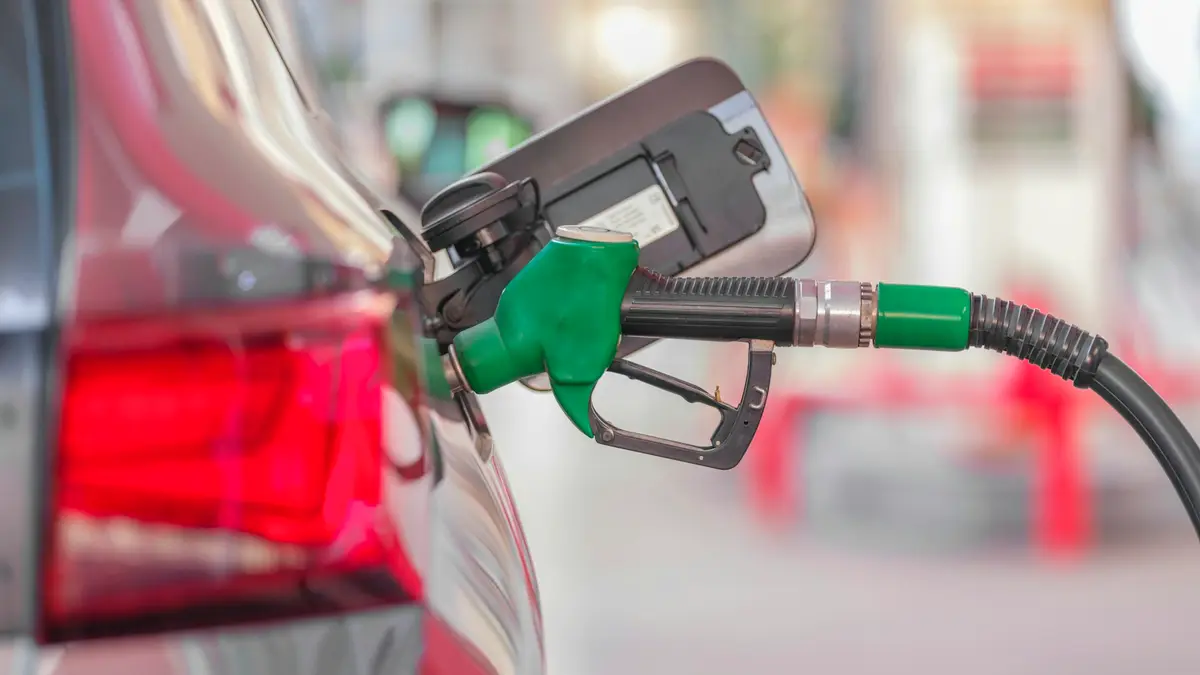
It's not just the truck
Fuel hides in places you wouldn't think of:
- Fertiliser and farm inputs are energy-hungry to make and move.
- Plastic packaging is made from oil and gas.
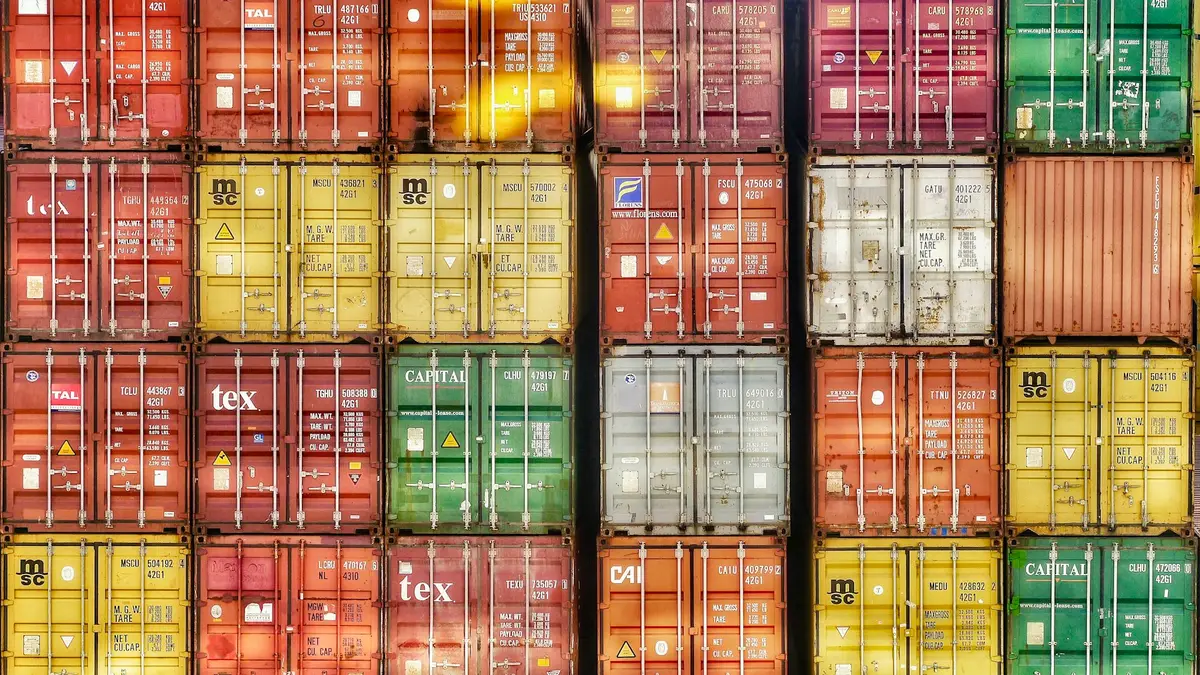
- Imports (coffee, rice, tinned goods, packaging) cross the ocean on container ships that burn fuel too.
- Your own trip to the shops. Two quick top-up runs a week can cost more in petrol than you save on specials.
Why prices don't drop back when fuel does
When fuel prices ease, grocery prices usually stop rising as fast rather than falling. Suppliers have contracts, wages and energy bills that went up in the meantime. We explain the bigger picture in why groceries cost so much more.
What you can do about it
- Make one trip, not three. Every extra drive costs fuel and invites impulse buys. A list that reminds you before staples run out is what makes one trip enough.
- Compare the whole basket. Freight hits each chain differently, item by item. Check which store is cheaper for your list this week.
- Lean on local, in-season produce when it's cheap. It has travelled less.
- Stock up on long-life staples on special (rice, pasta, tins, UHT milk), not on perishables you'll throw out.
How RanOutOf helps
RanOutOf tracks how long your staples last and puts them back on the list before they run out, so you stop making fuel-burning top-up trips. Then it shows Coles and Woolworths prices for your whole list, so the one trip you do make is to the cheaper store.
Plan one cheaper trip →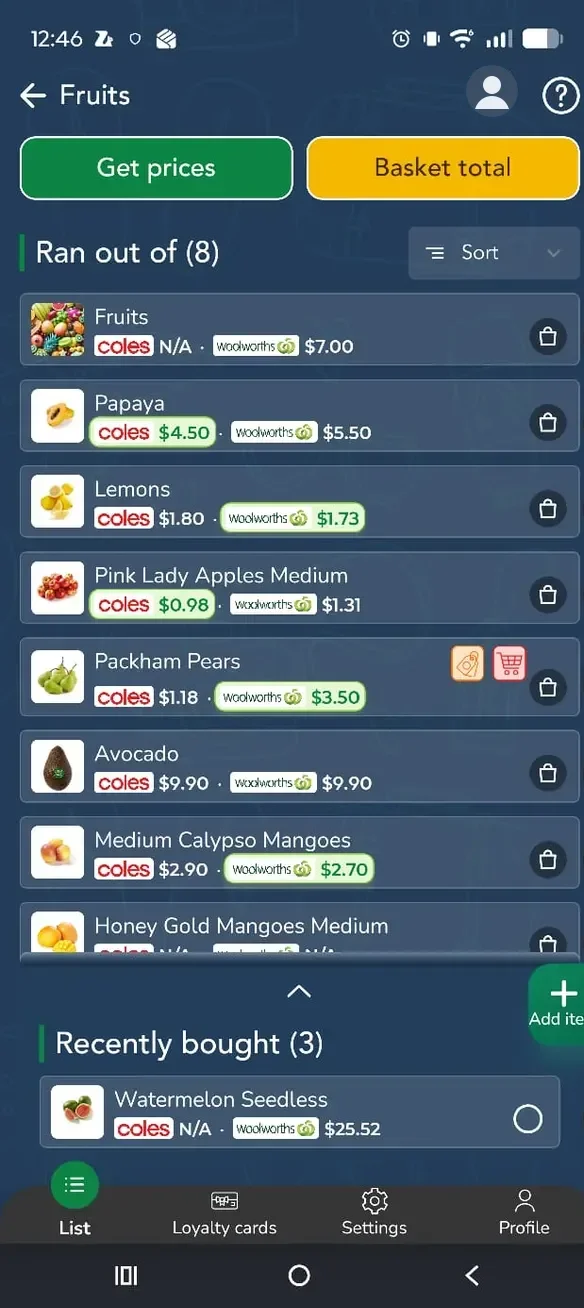
Questions
How do fuel prices affect food prices?
Diesel powers tractors, refrigerated trucks and delivery fleets, and fuel feeds into fertiliser, packaging and imported goods. When fuel costs rise, each step from farm to shelf costs more, and those costs are passed on in the price you pay.
Which groceries are most affected by fuel prices?
Heavy and long-distance goods: fresh produce, frozen food, dairy, ready meals and drinks. NSW Farmers has said transport can be up to a third of total costs for items like onions, strawberries, mushrooms, kiwifruit and pears.
Do grocery prices fall when fuel gets cheaper?
Slowly, if at all. Other costs such as wages and energy usually rise in the meantime, so lower fuel costs tend to slow price rises rather than reverse them.
Sources
Free · Sign up in seconds · Works offline
Your next shop, sorted and cheaper.
Download RanOutOf, add what you need, and see which store wins before you leave home.