
Prices and inflation
Are Coles and Woolworths discounts real? What the ACCC and the court found
You always suspected some of those "Down Down" tickets weren't telling the whole story. In 2026, a Federal Court judge agreed.
In one line: the regulator found the two big chains face little pressure on price, a court found some Coles discounts misleading, and a new law now bans excessive pricing. Your best defence is still the simplest: ignore the ticket, compare the price.
1. The ACCC looked under the bonnet
In 2024–25 the Australian Competition and Consumer Commission ran a full inquiry into supermarkets. Its final report (March 2025) found:
The ACCC described an oligopoly in which Coles and Woolworths have limited incentive to compete vigorously with each other on price. It made 20 recommendations, including clearer unit pricing. It did not recommend breaking the chains up.
2. The court ruled on "Down Down"
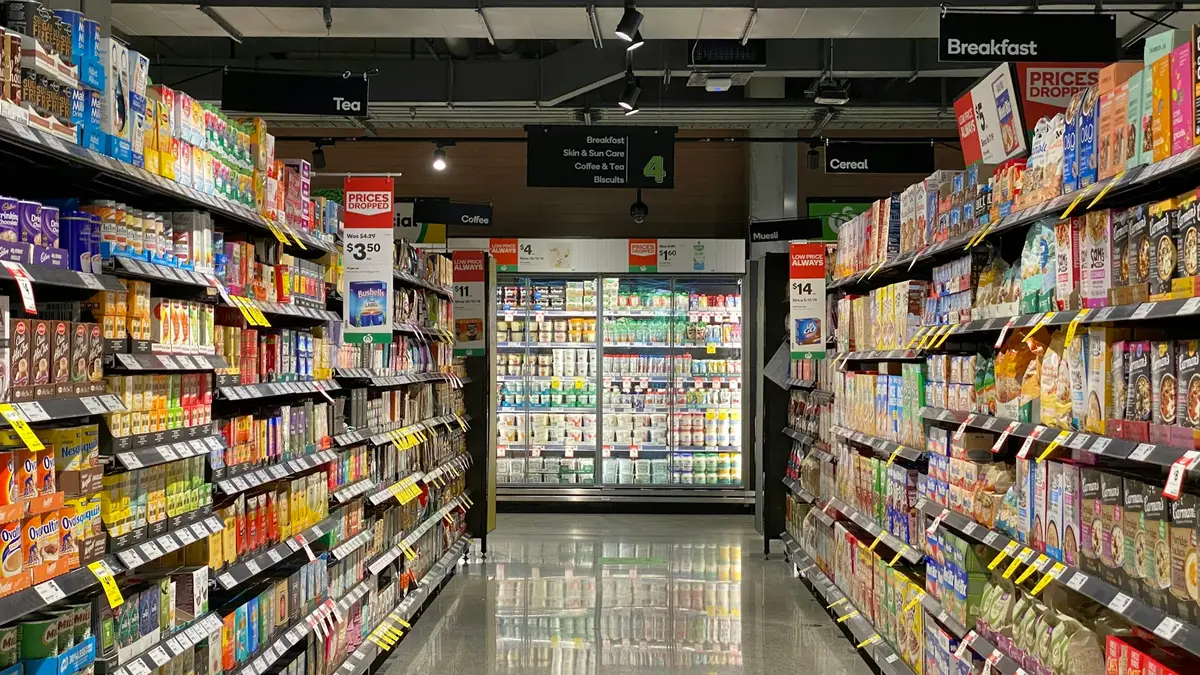
The ACCC took Coles to court over its "Down Down" promotion, in a case covering 245 products sold between February 2022 and May 2023. On 14 May 2026, the Federal Court found Coles had engaged in misleading conduct:
- 13 of the 14 sample tickets examined were found misleading.
- The issue was the "was" price: it hadn't applied for long enough before the discount for the "Down Down" claim to be fair.
- Penalties are dealt with in a separate hearing. The ACCC also brought a separate case against Woolworths over its "Prices Dropped" promotion.
The lesson for shoppers: a discount is only as honest as the price it's measured against.
3. A new law against excessive prices
From 1 July 2026, the mandatory Food and Grocery Code bans excessive pricing by supermarkets with more than $30 billion in annual Australian revenue. Right now that's Coles and Woolworths. The ACCC enforces it, and the maximum penalty per breach is the greatest of $10 million, three times the benefit gained, or 10% of turnover.
That's a big stick. But the law doesn't set a "correct" price for milk. Comparing prices is still on you.
How to check a discount yourself
- Look at the unit price, not the ticket. Per kg, per litre or per 100 g is what lets you compare honestly.
- Check the same item at the other store. If it's cheaper there at its normal price, the "special" isn't special.
- Notice "was" prices that jump up just before a discount appears.
- Know your usual price. Once you know what you normally pay, a fake bargain stands out.
More in how the half price cycle really works.
How RanOutOf helps
Don't trust the ticket; trust the price. RanOutOf shows the actual Coles and Woolworths price for the same item side by side, with the price per kg or litre and when it was last checked. The "was" price doesn't matter when you can see what both stores charge right now. RanOutOf is independent and not affiliated with either supermarket.
See the real prices →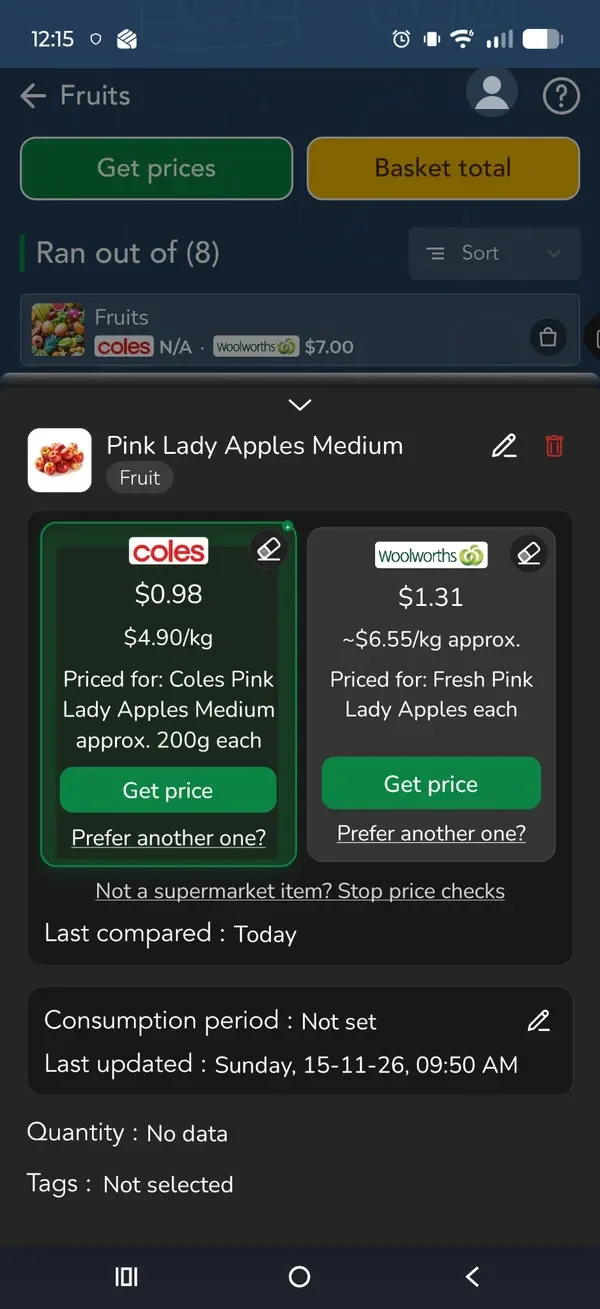
Questions
What did the court find about Coles' Down Down discounts?
On 14 May 2026 the Federal Court found Coles engaged in misleading conduct: 13 of the 14 sample 'Down Down' tickets the ACCC put forward were misleading, because the 'was' price had not applied for long enough before the discount. Penalties are decided in a separate hearing.
What did the ACCC supermarkets inquiry find?
The ACCC's final report in 2025 estimated Woolworths and Coles hold about 38% and 29% of national supermarket grocery sales, found they have limited incentive to compete vigorously on price, and found the major supermarkets' average product margins increased over five financial years.
Is price gouging by supermarkets illegal in Australia?
Since 1 July 2026, the Food and Grocery Code bans excessive pricing by supermarkets with more than $30 billion in annual Australian revenue, which currently means Coles and Woolworths. The ACCC enforces it.
Sources
Free · Sign up in seconds · Works offline
Your next shop, sorted and cheaper.
Download RanOutOf, add what you need, and see which store wins before you leave home.