
Waste less
Australians throw away $2,000+ of food a year. Your fridge is eating your pay rise.
Imagine leaving the supermarket and dropping one bag of shopping in the bin on the way to the car. Every week. Most of us basically do.
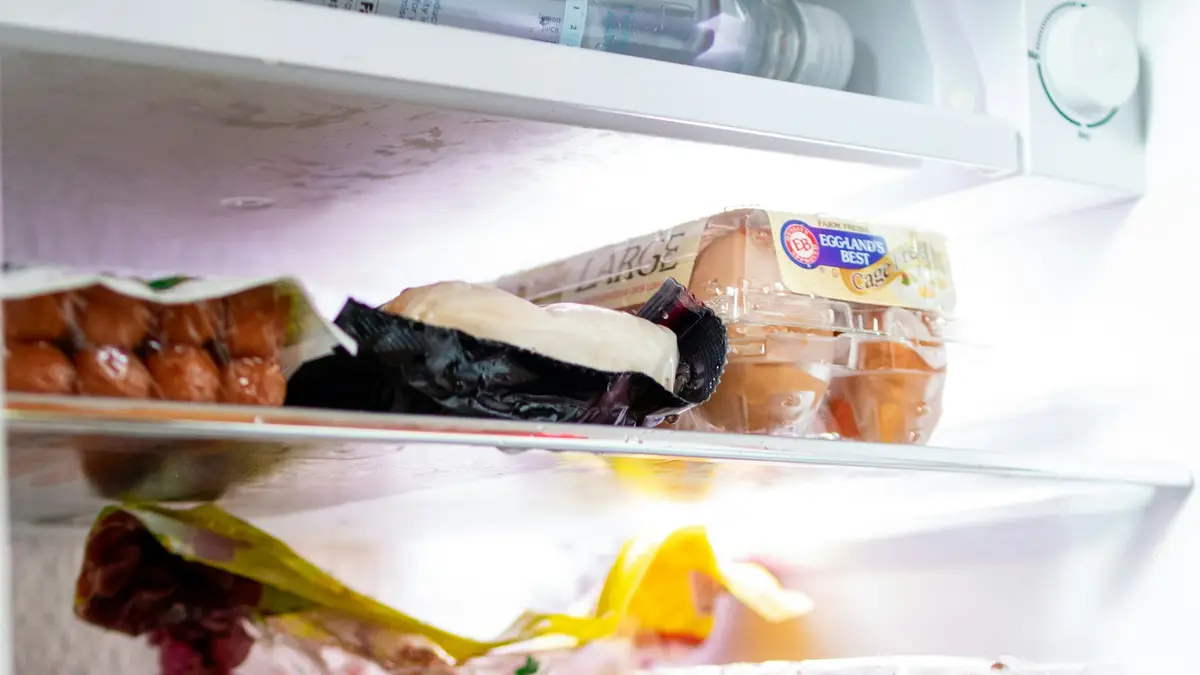
The easiest money you'll ever save
Most money-saving tips ask you to do with less. This one doesn't. Food you throw away is food you already paid for and got nothing from. Waste less and you eat exactly the same, for less.
At $2,000 to $2,500 a year, an average household's bin is costing it about $38 to $48 a week. For many families, that's more than they'd save by switching every item to home brand.
What the household food bin costs
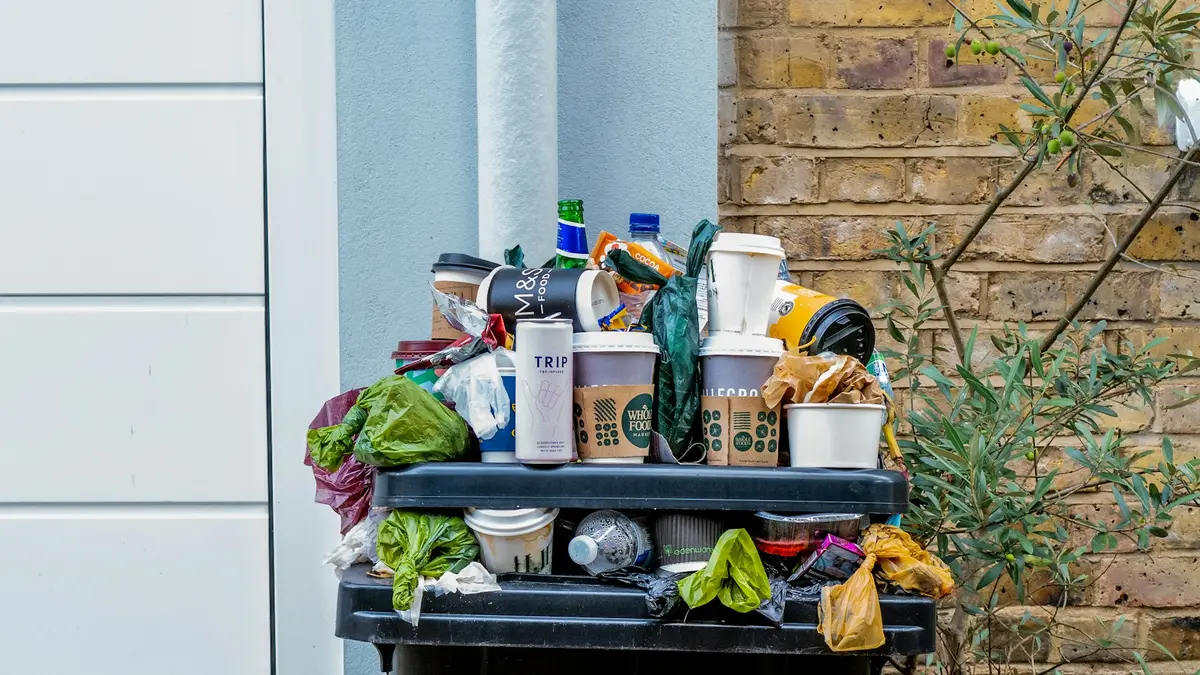
Why good food ends up in the bin
- Buying too much: specials, big packs, and "just in case".
- Forgetting what's there: the half bag of spinach hiding behind the yogurt.
- Plans change: the dinner you shopped for becomes takeaway.
- Buying doubles: two people shopping for one house, neither knowing what the other bought.
- Date confusion: "best before" means quality, not safety. "Use by" is the one to respect.
Seven habits that keep food out of the bin
- Check the fridge before you write the list. Plan meals around what needs using up.
- Buy what's on the list. A bargain you don't eat isn't a bargain. (How to stop impulse buying.)
- First in, first out. New groceries go behind the old ones.
- Make a "use it up" shelf in the fridge for things that need eating this week.
- Freeze before it's too late. Bread, meat, cooked rice, ripe bananas and grated cheese all freeze well.
- Plan for leftovers. Tonight's extra serve is tomorrow's lunch. (Meal planning on a budget.)
- Learn how long things actually last you. Then buy the right size. (How long milk lasts shows how.)
How RanOutOf helps
Every item in RanOutOf can have a consumption period: how long it lasts you. Its bar counts down green, yellow, red, so you can see at a glance what's running low and what should be eaten first. Your household shares one live list, so nobody buys a second bag of spinach. And because you shop from the list, you buy what you'll use, not what the end-of-aisle display suggests.
Stop paying for the bin →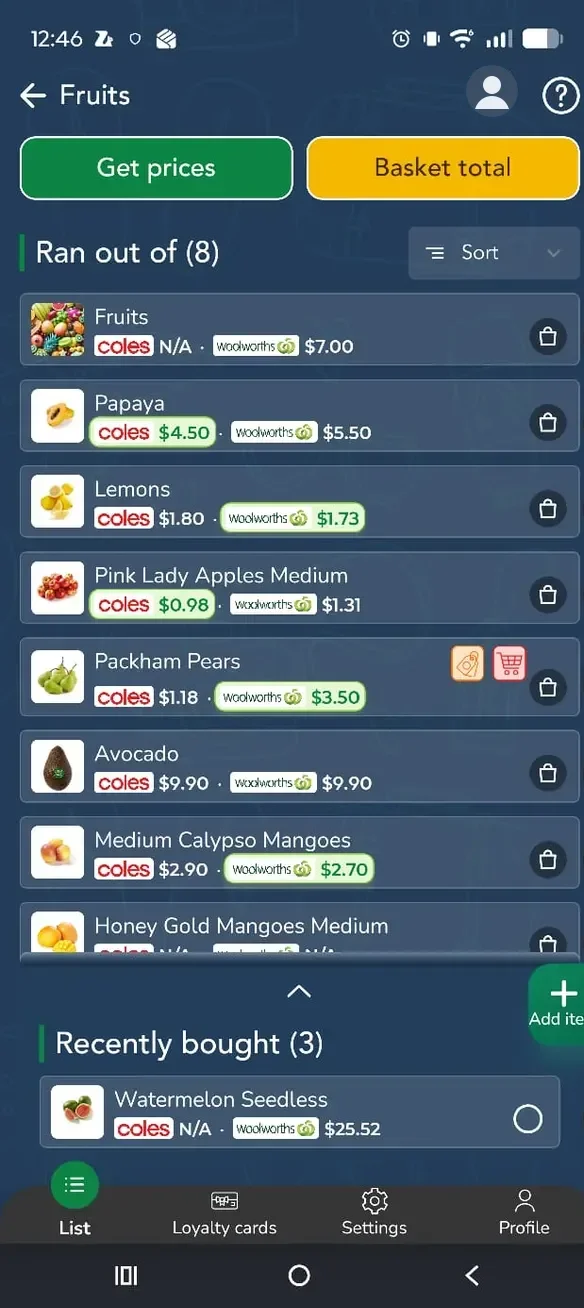
Questions
How much food does Australia waste?
About 7.6 million tonnes a year across the whole supply chain, costing the economy around $36.6 billion, according to the 2021 National Food Waste Strategy Feasibility Study.
How much does food waste cost a household?
Government and OzHarvest estimates put it at roughly $2,000 to $2,500 a year for the average Australian household.
What is the easiest way to waste less food?
Buy only what's on your list, check the fridge before you shop, eat the oldest food first, freeze what you won't get to in time and turn leftovers into lunches.
Sources
Free · Sign up in seconds · Works offline
Your next shop, sorted and cheaper.
Download RanOutOf, add what you need, and see which store wins before you leave home.