
Prices and inflation
El Nino is here. What a hot summer does to your grocery bill.
Summer is coming in hot, and your grocery bill will feel it first.
The short version: a long, hot summer is more likely than not. Fresh food is the most exposed, the cheaper store for your list can flip week to week, and the list is still the best defence.
What the Bureau says
The Bureau of Meteorology (BOM) confirmed on 24 November 2026 that a strong to very strong El Nino is underway. The weekly Nino3.4 index, the number the Bureau watches to track El Nino, was +2.67 degrees for the week ending 22 November 2026, down slightly from the event peak so far of +2.88 degrees. Most models forecast the warming to peak in December 2026 or January 2027 and to stay above El Nino levels into autumn 2027.
The Bureau's December to February outlook, issued 19 November 2026, says maximum temperatures are more than 80 per cent likely to be above average across almost all of Australia. Unusually hot days are more than 70 per cent likely in parts of eastern New South Wales, eastern Tasmania, northern and central Australia, and much of Western Australia.
In plain words: a long, hot summer is more likely than not.
Bureau of Meteorology figures as at 29 November 2026. The Bureau updates them every week or two.
What heat does to the price of food
Heat reaches the supermarket shelf in a few ways, and fresh food is first in line.
- Crops stressSlower growth, uneven ripening, lower yields
- Water costs moreIrrigation gets dearer as dams and rivers drop
- Transport costs moreTrucks and cold storage work harder in the heat
- More food is lostFresh food spoils faster, from farm to fridge
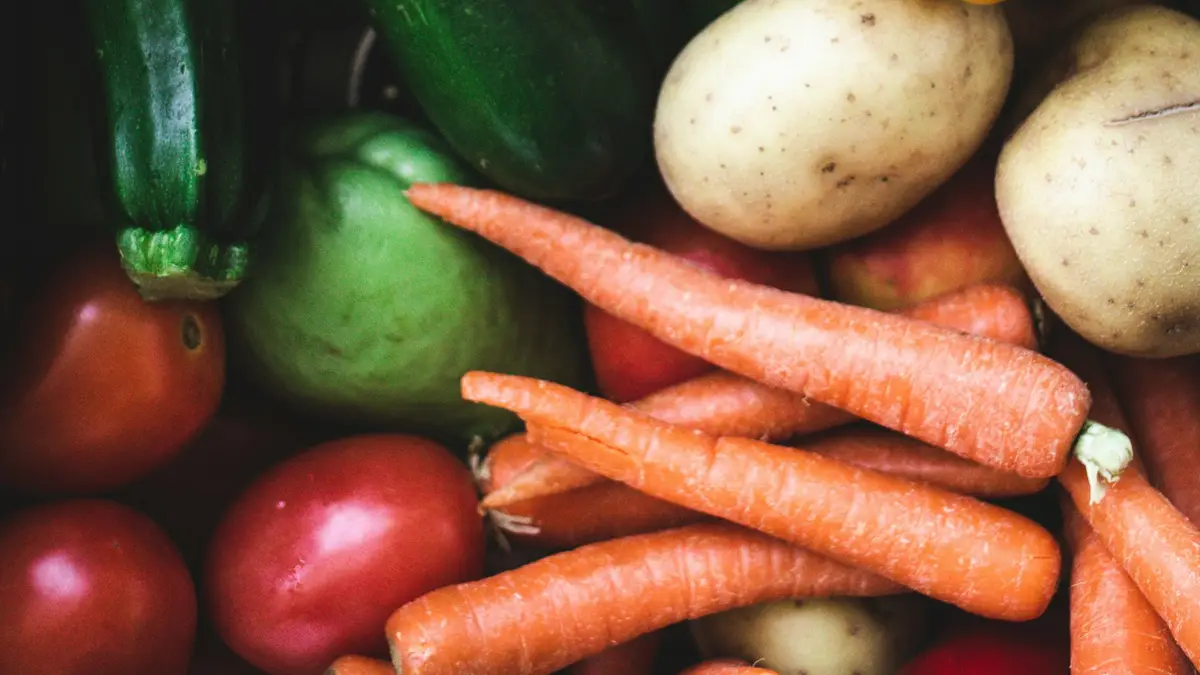
Fruit and vegetables move first and fastest, because they are the most exposed to the weather. Fruit was already up 10.2 per cent in the year to September 2026, according to the Australian Bureau of Statistics (ABS) Consumer Price Index (CPI). That rise came before this summer. Heat adds pressure on top of it.
Meat and dairy follow more slowly. Hot, dry conditions mean less feed for livestock, and that shows up in beef and milk prices weeks or months later.
The honest part: it is not the same everywhere
El Nino does not hit every region the same way. Rainfall this summer is mixed, not uniformly dry. Wetter than average conditions are favoured in parts of southern Queensland and inland north-eastern New South Wales. Drier conditions are favoured in the north, the west, the interior and Tasmania.
The Bureau itself notes that a strong El Nino signal does not necessarily mean strong impacts on Australian rainfall. El Nino shifts the odds. It does not predict a specific drought, heatwave or bushfire.
So the fair way to say it: a hot summer is likely, fresh food prices are the most exposed, and some regions will feel it more than others. Watch your own local prices week to week, because the national picture will not match every shelf.
What to watch at the shops this summer
- Fruit and vegetable prices will jump around more than usual. Some lines will spike for a week or two and then settle. That is the weather moving through the supply chain.
- The gap between the two big stores will move too. Coles and Woolworths do not move in step, so the cheaper store for your list can flip week to week.
- Pantry lines are steadier. Rice, pasta, tinned goods and frozen food are less exposed to a hot week.
- The Wednesday specials matter more. When fresh prices spike, a half-price pantry line is what keeps the weekly total down.
Shop smarter, feel it less
You cannot change the weather. You can change how much of it lands in your bill.
- Compare the whole list at both stores before you go. When heat pushes some items up, the gap between Coles and Woolworths moves item by item. RanOutOf shows the Coles and Woolworths price for your whole list side by side, so you go where your list costs less that week.
- Shop from the list and skip the impulse aisle. The extras creep in when you browse. You already know the price of every item before you go, so there is nothing left to decide in the aisle. (More on impulse buying.)
- Buy only what you will use. Fresh food spoils faster in the heat. RanOutOf's consumption period shows what is running low before it runs out, so food gets used instead of thrown away, and one shared live list means nobody double-buys.
- Stock up on half-price pantry lines when they drop. Specials change on Wednesdays and run to the following Tuesday. (How half price specials work.)
None of this beats a heatwave. But it is the difference between paying whatever the shelf says that week and paying the lower of two prices, for the food you actually need, with nothing wasted.
Pay the lower of two prices this summer
Build your weekly list once in RanOutOf, see the Coles and Woolworths prices side by side, and buy where it is cheaper that week.
Get RanOutOf free →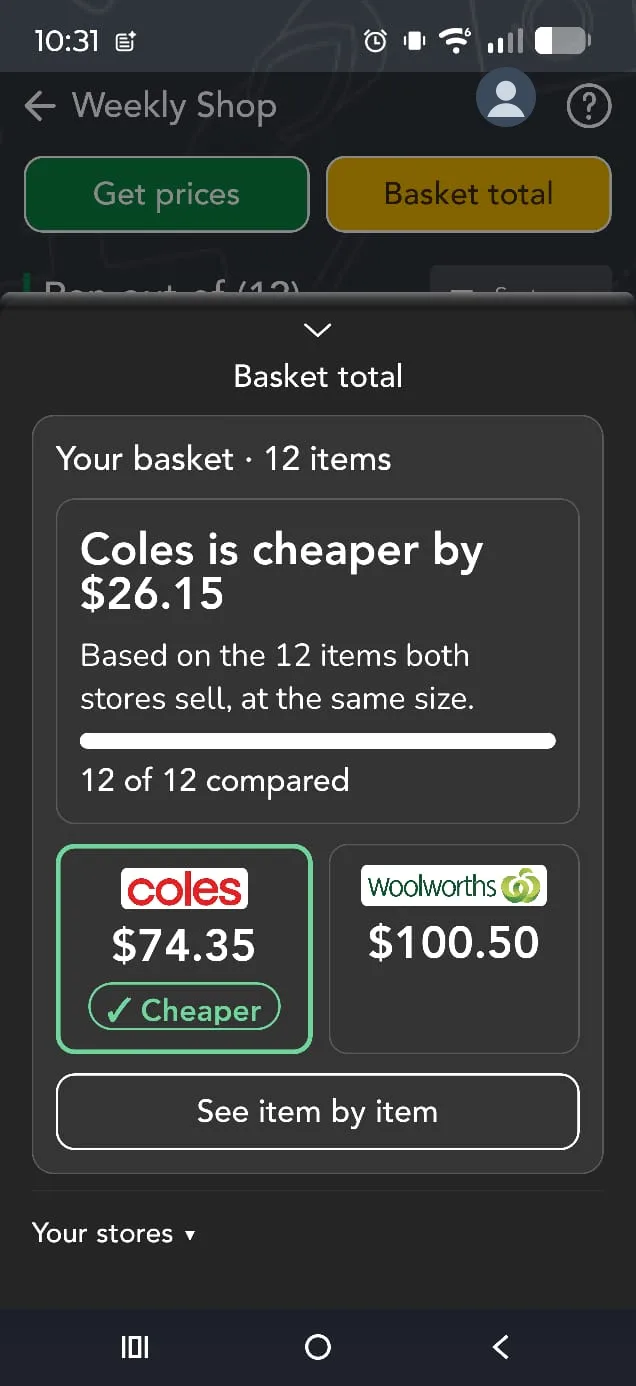
Questions
Does El Nino make groceries more expensive in Australia?
It can. El Nino usually brings a hotter summer, and heat cuts crop yields, raises water and cold storage costs, and makes fresh food spoil faster. Fruit and vegetables feel it first. Meat and dairy can follow weeks or months later.
Which groceries are most affected by a hot summer?
Fresh fruit and vegetables, because they are the most exposed to the weather. Pantry lines such as rice, pasta, tinned goods and frozen food are much steadier.
How can I save on groceries during El Nino?
Compare your whole list at Coles and Woolworths each week, because the cheaper store can flip when prices jump. Shop from the list, buy only what you will use before it spoils, and stock up on pantry staples when they go half price.
Sources
Free · Sign up in seconds · Works offline
Your next shop, sorted and cheaper.
Download RanOutOf, add what you need, and see which store wins before you leave home.