
Shop smarter
The list is the budget: how to stop impulse buying
You went in for milk and bread. You came out with $63 of "while I'm here".

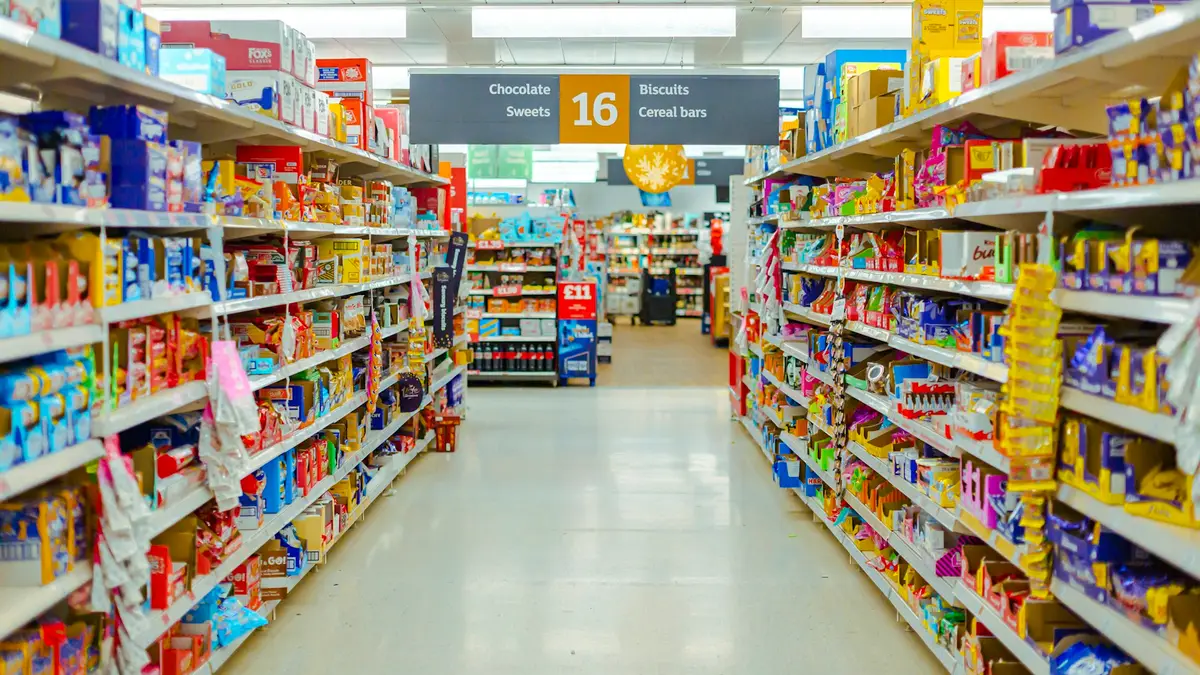
The supermarket is designed for "while I'm here"
None of this is an accident. Supermarkets are laid out to keep you walking and noticing:
- Milk and bread are at the back, so you pass everything else to reach them.
- End-of-aisle displays and "special" signs grab attention, whether or not the price is special.
- Eye-level shelves hold the products the store most wants you to buy.
- The checkout is lined with chocolate, drinks and magazines for the final wait.
Each one only needs to work once a trip. Over a year of weekly shops, the small extras add up to a serious number.
Why a list works (when willpower doesn't)
In the aisle, you're making dozens of tiny decisions in a place built to sway them. A list moves all those decisions to your kitchen, where you can see what's actually in the cupboard and nobody is putting chocolate at eye level.
Once the list is written, the shop is just doing: get what's on it, and leave.
The list-first method
- Build the list at home. Check the fridge and pantry first, so you don't buy a third jar of the same thing.
- Price it before you leave. Know what each item costs and which store is cheaper for the whole list. There's nothing left to decide in the aisle.
- Shop once a week. Every extra trip is another walk past the end-of-aisle displays.
- Don't shop hungry. Eat first. Everything looks like a good idea on an empty stomach.
- Use the "next week" rule. Spot something not on the list? Add it to next week's list. If you still want it in seven days, buy it then.
- Leave the trolley for big shops. A basket makes you feel the weight of extras.
Not all unplanned buys are bad
A genuine half-price deal on something you always use is a smart pick-up, not an impulse. The test: is it something I'd have bought anyway, at a price lower than I'd normally pay? If yes, grab it. If it's new, shiny and "only $4", it's an impulse. (See how to tell real specials from fake ones.)
How RanOutOf helps
RanOutOf is the list-first method in your pocket. Add items by search, voice or barcode. Staples come back on the list by themselves before they run out. Before you leave, you can see the Coles and Woolworths price of every item and which store is cheaper for the lot. Then you go in, tick off what's on the list, and leave.
Make the list the budget →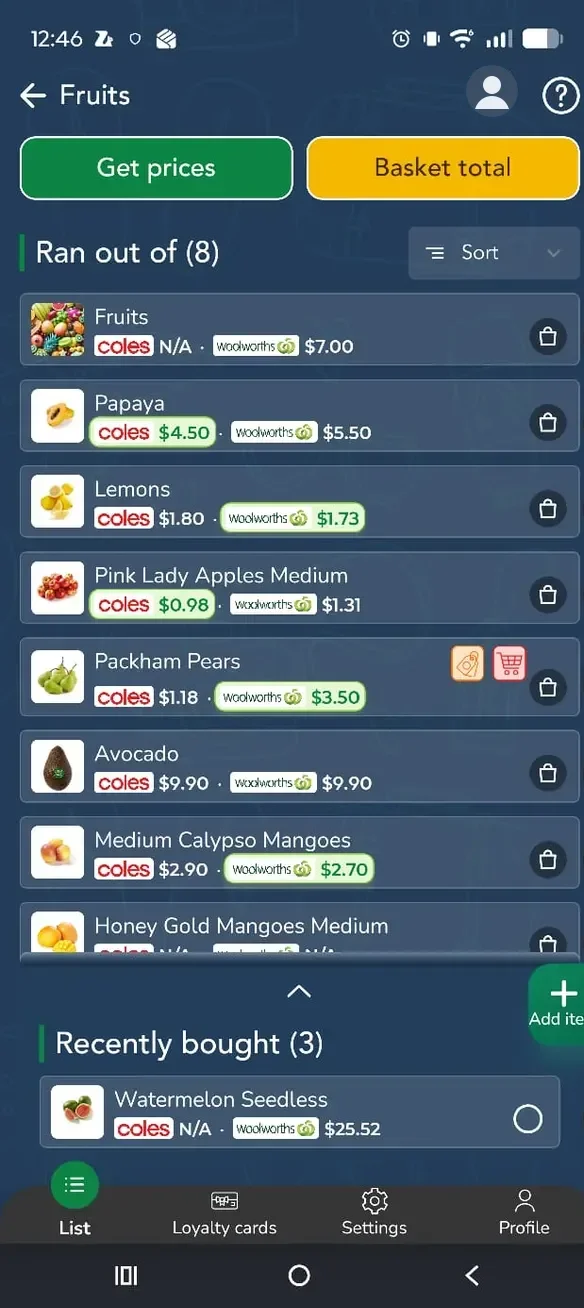
Questions
How do I stop impulse buying groceries?
Decide before you go. Write a list at home, check prices before you leave, shop once a week, don't shop hungry, and treat anything not on the list as a 'next time' item you add for next week if you still want it.
Does a shopping list really save money?
Yes. A list turns shopping from dozens of in-aisle decisions into one decision made at home, which cuts unplanned buys and stops you buying things you already have.
How common is impulse buying in Australia?
Finder's 2026 Shopping Report, a survey of 1,006 Australian adults in October 2026, found 61% admit to impulse buying, rising to 81% of Gen Z.
Sources
Free · Sign up in seconds · Works offline
Your next shop, sorted and cheaper.
Download RanOutOf, add what you need, and see which store wins before you leave home.