
Fresh food
Why is fruit and veg so much cheaper at the local grocer? Are they selling Coles' rejects?
$2 a kilo for tomatoes at the corner grocer. Double that at the supermarket. Is one of them ripping you off, or is something else going on?
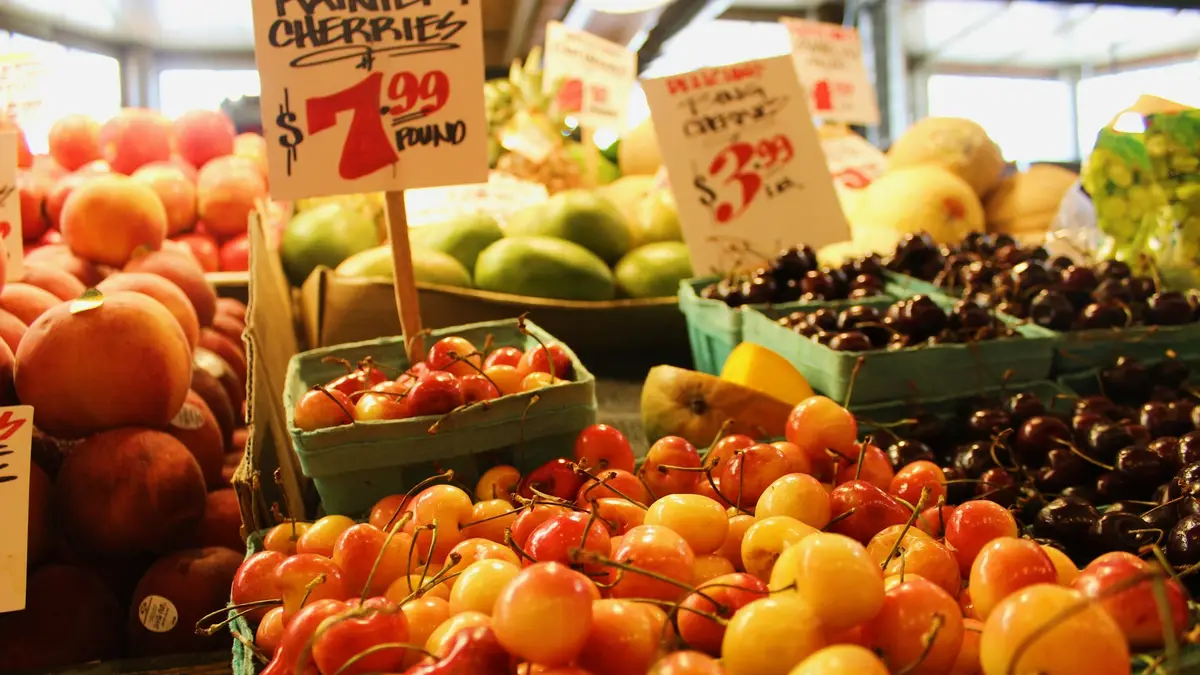
The short answer: it's mostly how they buy, not that they sell junk. Independent, ethnic and regional grocers buy at the wholesale markets day by day and grab whatever is plentiful and cheap. They also happily sell produce that's too big, small or wonky for supermarket specs. Some of it is "seconds". A lot of it is the same fruit, just cheaper.
Two completely different ways to buy
| Local / ethnic grocer | Coles / Woolworths | |
|---|---|---|
| Buys from | Mostly the central wholesale markets, daily or several times a week | Largely direct from growers under supply agreements, plus markets |
| Buys how | Opportunistically: whatever's in glut this morning | Huge, steady volumes for hundreds of stores |
| Looks | Accepts mixed sizes and odd shapes | Strict specs for size, shape and appearance |
| Range | Changes with what's cheap; strong on specialty items | Same range all year, everywhere |
| Overheads | Small shop, loose produce, little packaging | Big stores, distribution centres, packaging, marketing |
Reason 1: they buy what's cheap today
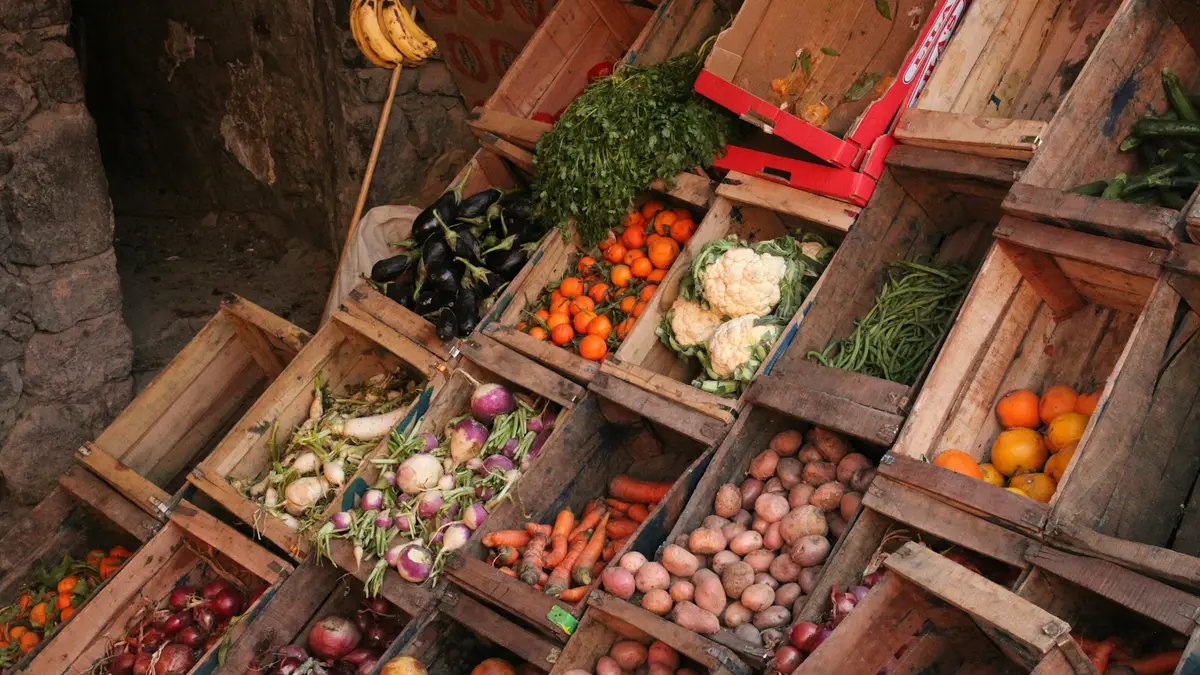
Sydney Markets at Flemington, for example, has more than 600 businesses on site and connects over 20,000 local and interstate growers with buyers. Independent grocers walk those floors early in the morning and buy whatever's plentiful, from a wholesaler with too many mangoes to a lot of ripe tomatoes that must sell today.
A supermarket chain can't shop like that. As one consumer expert put it, it needs volumes like 40 pallets of citrus or bananas at a time, so it plans weeks ahead and pays for certainty, not bargains.
Reason 2: supermarkets' cosmetic standards
This is where your hunch has some truth. The big chains set strict specifications for size, shape and appearance. A 2023 NSW parliamentary inquiry heard that produce outside those specs is routinely rejected, and recommended limits on cosmetic standards. The Australia Institute estimates around 10% of food waste is linked to retailers' cosmetic standards.
Where does the rejected produce go? Some never leaves the farm: growers told the inquiry they don't harvest fruit they expect to be rejected. Some goes to juicing or animal feed. Some is sold through other channels, including the wholesale markets where independents shop. And the supermarkets sell some themselves, in Coles' "I'm Perfect" and Woolworths' "The Odd Bunch" ranges.
So yes, some cheap produce at the local grocer is fruit a supermarket didn't want. But "didn't want" usually means the wrong size or shape, not bad to eat.
Reason 3: riper, shorter-life produce
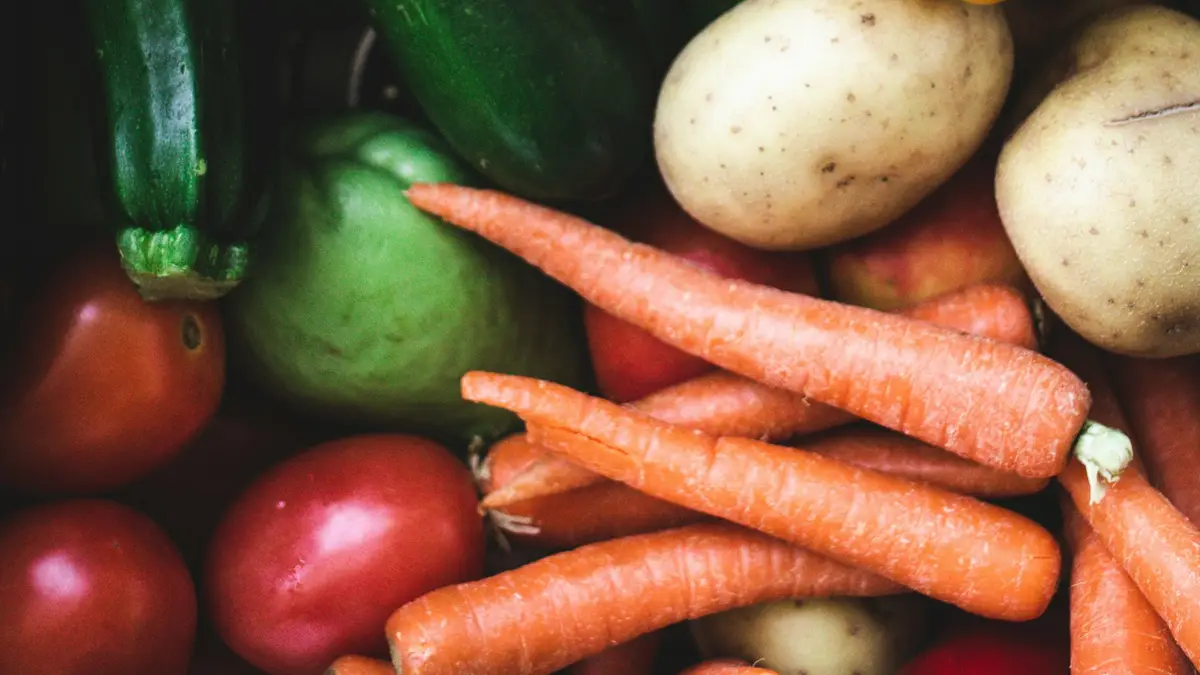
Your observation about quality is fair too. Some independent stock is riper: bought because it has to sell in a day or two. That's great if you're eating it tonight. It's a bad deal if it sits in your crisper for a week. Supermarket produce is often picked and stored to last longer on the shelf and at home.
Reason 4: lower costs, loose and unpackaged
No plastic punnets or bags, no national marketing budget, and often a family running the shop. Every dollar not spent on overheads can come off the price.
It isn't always cheaper
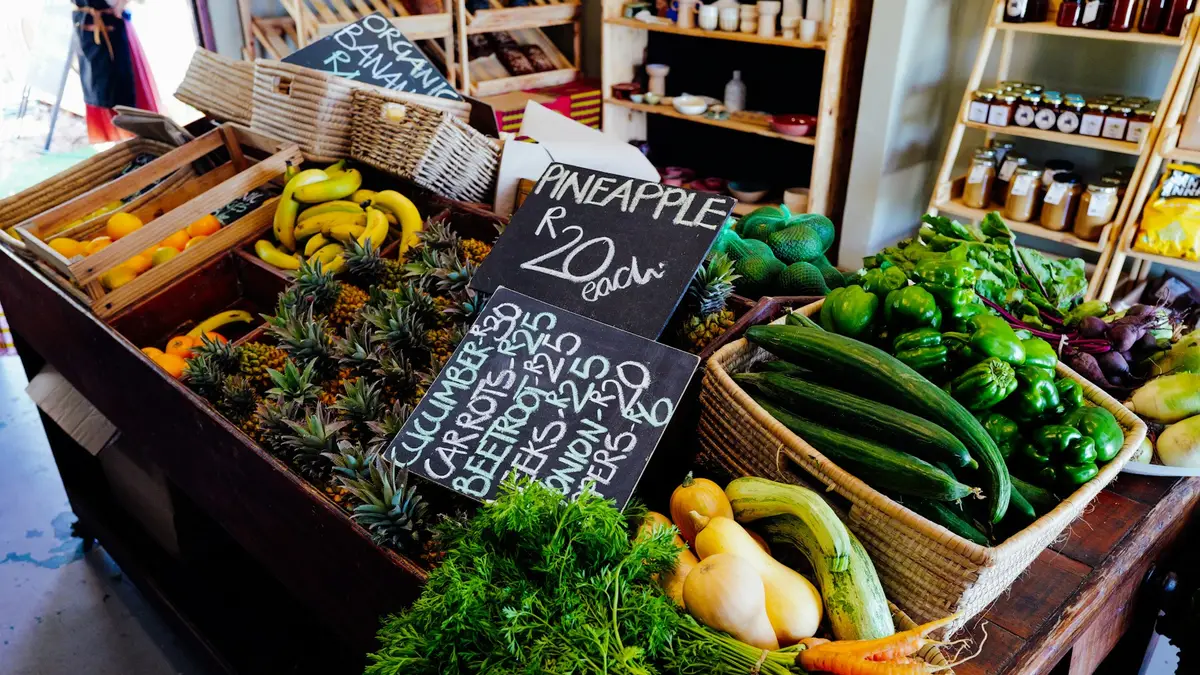
Don't assume. A 2018 study in Lismore, NSW, found some fresh items cheaper at farmers' markets than at supermarkets, and others dearer. Fruit and veg prices also swing more than most groceries, so the cheaper shop can change week to week. Specials at Coles or Woolworths regularly beat the local price, especially on staples like potatoes, onions and bananas.
So where should you shop for what?
How to shop the local grocer like a pro
- Go with a list, not a vague plan. Cheap prices make it easy to overbuy. (The list is the budget.)
- Pick it up and look. Check for soft spots, mould and wilting, especially under the top layer of a box.
- Ask what's best today. Grocers know what came in fresh this morning.
- Buy "seconds" for cooking: soups, sauces, jams and smoothies don't care what a tomato looks like.
- Eat the ripest first, and freeze what you won't get to. (How to keep food out of the bin.)
How RanOutOf helps
You can only spot a bargain if you know the normal price. RanOutOf shows the Coles and Woolworths price for every item on your list, per kg as well, so when the local grocer says $2.99 you'll know straight away if that's a steal or not. Consumption periods help you buy short-life produce in the amounts you'll actually eat.
Know your benchmark prices →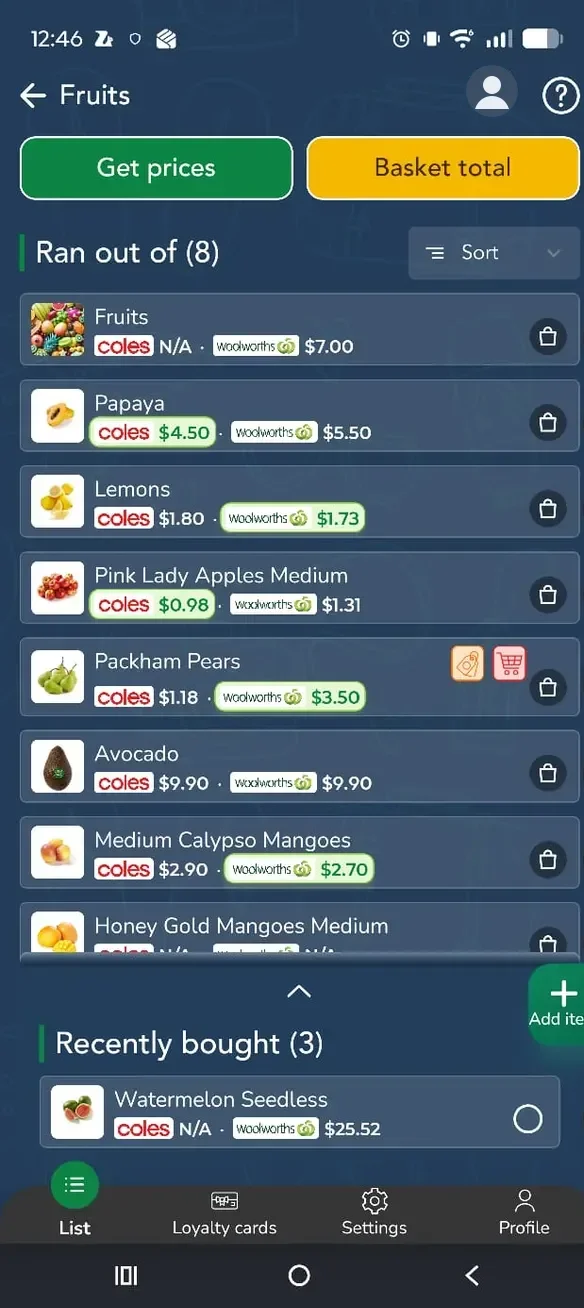
Questions
Why is fruit and veg cheaper at independent grocers than at Coles and Woolworths?
Independent grocers usually buy at the central wholesale markets day by day, so they can snap up gluts and short-life lots cheaply, accept produce that misses supermarket cosmetic specs, sell loose with little packaging, and turn stock over fast. Supermarkets buy huge, steady volumes to strict specs and carry big-store overheads.
Do local grocers sell produce rejected by Coles and Woolworths?
Sometimes, indirectly. Supermarkets reject produce that misses their size, shape and appearance specs, and some of it is sold through other channels, including wholesale markets where independents buy. But much of what independents sell is the same quality, from the same markets, and plenty of rejected produce never leaves the farm.
Is it better to buy fruit and veg at a local grocer or a supermarket?
For fruit and veg you'll eat in the next few days, local grocers often win on price. For produce that needs to last a week or more, consistent quality, or one-stop shopping, supermarkets can be better value. Compare prices per kg and buy only what you will eat.
Sources
- ABC News: Inquiry finds supermarkets' cosmetic fruit and vegetable standards cause food waste (2023)
- NSW Farmers submission to the NSW parliamentary inquiry
- The Australia Institute: Food waste in Australia, and how supermarkets profit from it
- Sydney Markets: Our markets
- Yahoo News Australia: price difference between Coles and a fruit market (consumer expert on supply chains)
- Northern NSW Local Health District: Farmers markets research report (2018)
Free · Sign up in seconds · Works offline
Your next shop, sorted and cheaper.
Download RanOutOf, add what you need, and see which store wins before you leave home.