
Make it at home
How to make yogurt at home with two ingredients
A litre of milk, one spoonful of yogurt, and a warm spot overnight. That's the whole recipe.
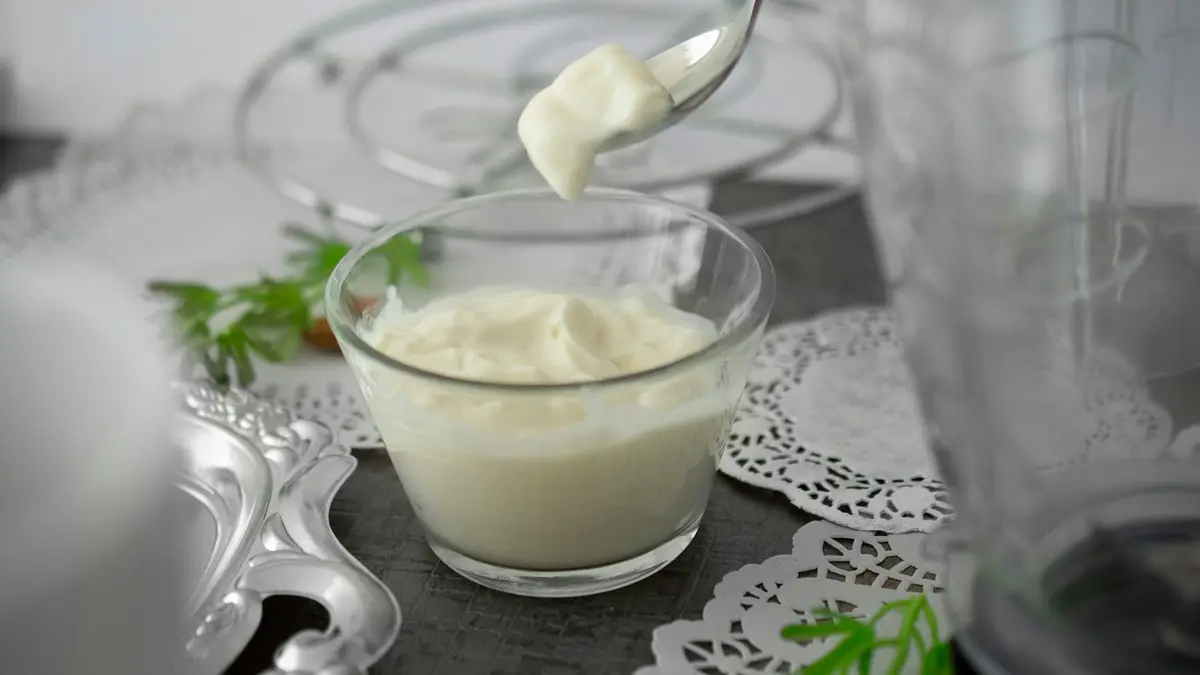
Yogurt or yoghurt? Both spellings are right in Australia, and this method works for any plain natural yoghurt you can buy.
Why make your own?
- It usually costs less. A litre of milk generally costs less than a litre of tub yogurt, and you can keep going forever by saving a spoonful as the next starter. Check the two prices for yourself in the RanOutOf app.
- You control what's in it. No added sugar, thickeners or flavours unless you want them.
- Less packaging, and you'll never run out of yogurt for breakfast.
Ingredients
- 1 litre full cream milk. Full cream sets thickest. Low-fat works but is runnier; UHT works and can skip the heating step.
- 2 tablespoons plain natural yogurt with live cultures (check the label). This is your starter.
You'll also need a saucepan, a clean jar with a lid, and ideally a kitchen thermometer (cheap, and it takes the guesswork out).
Method
- Heat the milk to about 85°C. Stir over medium heat until it's steaming with small bubbles at the edge. Hold it there for a few minutes; this makes the yogurt thicker.
- Cool it to 43–45°C. Warm to the touch, not hot. Stand the pot in a sink of cold water to speed it up. Too hot, and it kills the cultures.
- Add the starter. Mix the 2 tablespoons of yogurt with a splash of the warm milk until smooth, then stir it back into the pot.
- Keep it warm for 6–12 hours. Pour into the jar, put the lid on, and keep it at about 40–45°C without moving it:
- in the oven with only the light on (oven off), or
- wrapped in a towel inside an esky, or
- in a wide-mouth thermos.
- Chill. When it has set and smells pleasantly tangy, refrigerate for at least 4 hours. It thickens more as it cools.
- Save your starter. Keep 2 tablespoons aside for the next batch.

Make it thick, like Greek yogurt
Line a sieve with a clean cloth, muslin or a coffee filter, set it over a bowl, and strain the yogurt in the fridge for 2 to 4 hours. The longer it strains, the thicker it gets. Strain overnight and you've got labneh. Use the drained whey in smoothies, bread dough or pancakes.
Troubleshooting
| Problem | Likely cause and fix |
|---|---|
| Didn't set | Milk too hot when the starter went in, spot not warm enough, or the starter had no live cultures. Try again with a fresh tub of "live culture" yogurt. |
| Runny | Leave it longer, use full cream milk, or hold the milk at 85°C a bit longer. Strain it if needed. |
| Too sour | Shorter time in the warm spot, then into the fridge sooner. |
| Lumpy or grainy | Starter not mixed in smoothly, or the jar was moved while setting. Whisk before serving. |
Food safety: use clean equipment, keep the finished yogurt in the fridge, and eat it within about a week to ten days. If it smells off, grows mould or turns pink or grey, throw it out.
How RanOutOf helps
Add milk and yogurt to your list and RanOutOf shows the Coles and Woolworths price for each, so you can see what making your own saves you. Set a consumption period on your homemade batch (say 7 days) and RanOutOf reminds you to make the next one before you run out, and to buy milk in time.
Never run out of yogurt →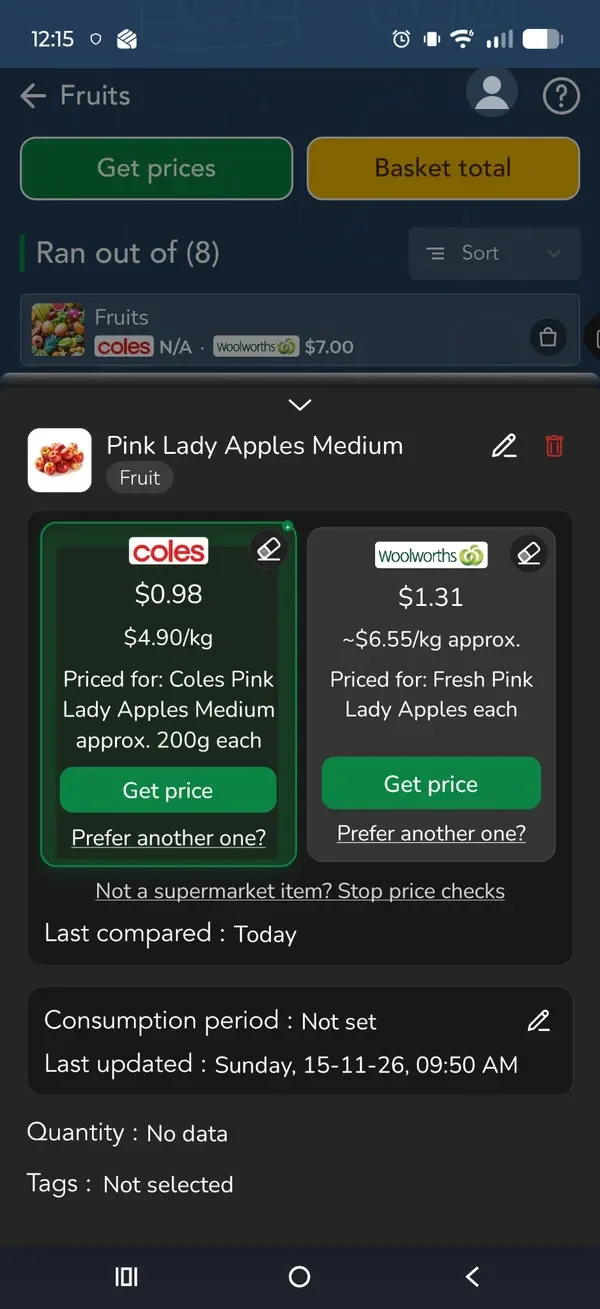
Questions
Can I make yogurt without a yogurt maker?
Yes. You only need to keep the milk warm, around 40–45°C, for 6 to 12 hours. An oven with just the light on, an esky with a towel or a wide-mouth thermos all work.
Why didn't my homemade yogurt set?
Usually the milk was too hot when the starter went in (above about 50°C kills the cultures), the spot wasn't warm enough, or the starter yogurt didn't contain live cultures. Check the label says 'live' or 'active' cultures.
How do I make Greek-style yogurt at home?
Strain the finished yogurt through a cloth or a coffee filter in a sieve in the fridge for a few hours. The longer it strains, the thicker it gets. The liquid (whey) can go into smoothies or baking.
How long does homemade yogurt last?
Kept covered in the fridge, homemade yogurt is usually good for about a week to ten days. Throw it out if it smells off, grows mould or changes colour.
Free · Sign up in seconds · Works offline
Your next shop, sorted and cheaper.
Download RanOutOf, add what you need, and see which store wins before you leave home.