
Shop smarter
Eating out less? Work out what cooking at home really saves
The delivery app shows you the price of dinner. It never shows you the price of the same dinner cooked at home.

In one line: takeaway prices include rent, wages, packaging, delivery and a margin. Cooking at home cuts all of that out. Once you know your cost per serve, the difference is hard to unsee.
What you pay for when you eat out
The food itself is only part of a takeaway bill. You're also paying for:
- The restaurant's rent, staff, energy and margin.
- Packaging, and with apps, delivery, service and small-order fees.
- The tip, and the drinks and sides you didn't plan on.
None of that is wrong. Restaurants are a treat worth having. It just means that when money is tight, cutting some takeaway nights frees up more cash than almost any supermarket trick.
The cost-per-serve method
Pick a meal your household orders often, and cost it both ways:
- Takeaway cost per person = total bill including fees ÷ number of people.
- Home cost per person = cost of the ingredients you use ÷ serves. For pantry items (oil, spices, rice), count only the share you use.
- The gap × how often you order = what eating in would save each month.
| Fill this in | Takeaway | Cooked at home |
|---|---|---|
| Total cost | Bill + fees + tip | Ingredients used |
| Serves | People eating | Serves made (incl. leftovers) |
| Cost per serve | Total ÷ serves | Total ÷ serves |
| Bonus | - | Tomorrow's lunch |
Tip: the RanOutOf app shows the current Coles and Woolworths price for each ingredient, so the "cooked at home" column takes a minute to fill in, and you'll see which store makes it cheapest.
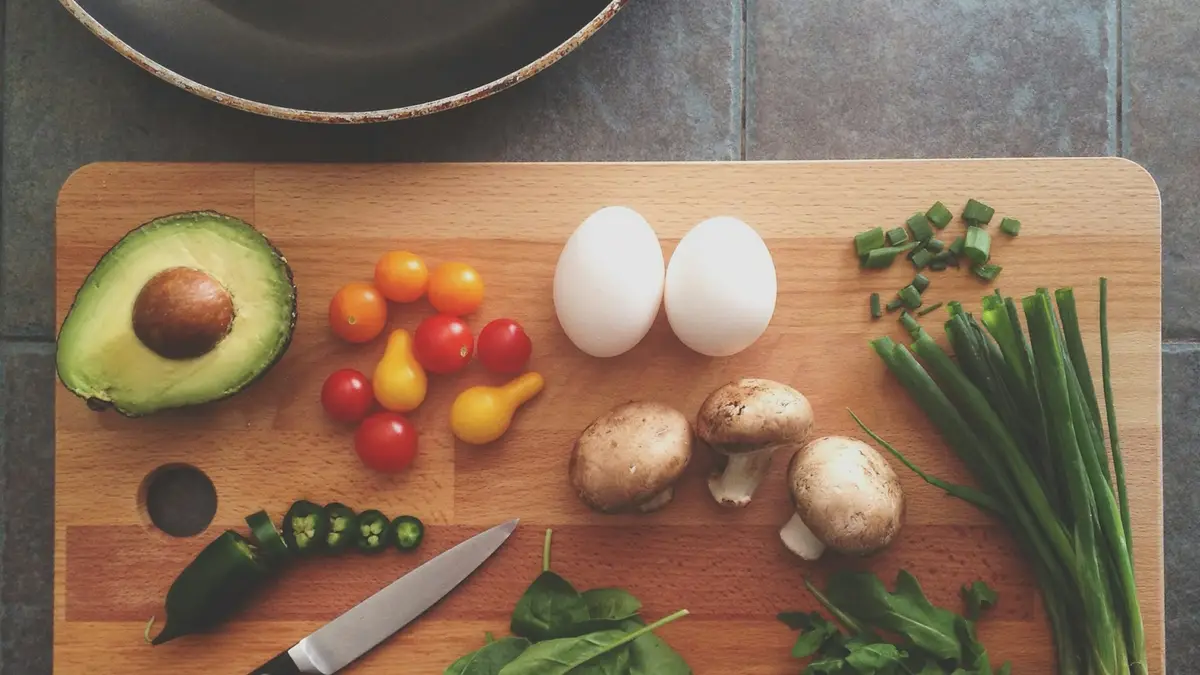
Why home cooking loses on busy nights (and how to fix it)
It's rarely about money. It's about 6 pm, nothing planned and nobody wanting to think. So make the home option the easy one:
- Plan five dinners, not seven. Leave room for leftovers and real life. (Meal planning on a budget.)
- Cook once, eat twice: double the bolognese and freeze half.
- Keep a "fakeaway" kit: wraps, a jar of curry paste, frozen veg, eggs. Dinner in 15 minutes.
- Never run out of the basics. No onions, no rice, no dinner, and then it's takeaway.
- Make takeaway a planned treat, not a default. It tastes better that way.
How RanOutOf helps
A planned list makes home cooking the easy default. Add your week's dinners to one list, share it with the household, and see the Coles and Woolworths price of every ingredient, plus which store is cheaper for the lot. Consumption periods put rice, onions and eggs back on the list before they run out, so "there's nothing in the house" stops being the reason you order in.
Plan this week's dinners →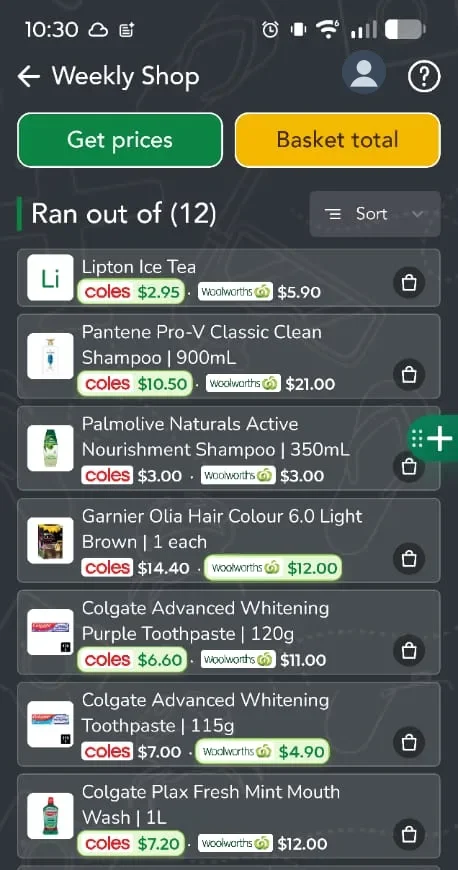
Questions
Is it cheaper to cook at home than eat out?
Almost always. A home-cooked meal usually costs a fraction of the same meal from a restaurant or delivery app, because you aren't paying for staff, rent, packaging, delivery fees or the restaurant's margin. Work out your own cost per serve to see the gap.
How do I work out the cost per serve of a meal?
Add up the cost of the ingredients you actually use (for pantry items, just the share you use), then divide by the number of serves. Compare that with the takeaway price per person, including delivery and service fees.
How can I cook at home more when I'm busy?
Plan a few simple dinners, shop once from a list, cook double and freeze half, and keep an emergency meal in the freezer so takeaway isn't the only fast option.
Free · Sign up in seconds · Works offline
Your next shop, sorted and cheaper.
Download RanOutOf, add what you need, and see which store wins before you leave home.